A Renaissance on Wrist: The Quiet Revival of British Watchmaking
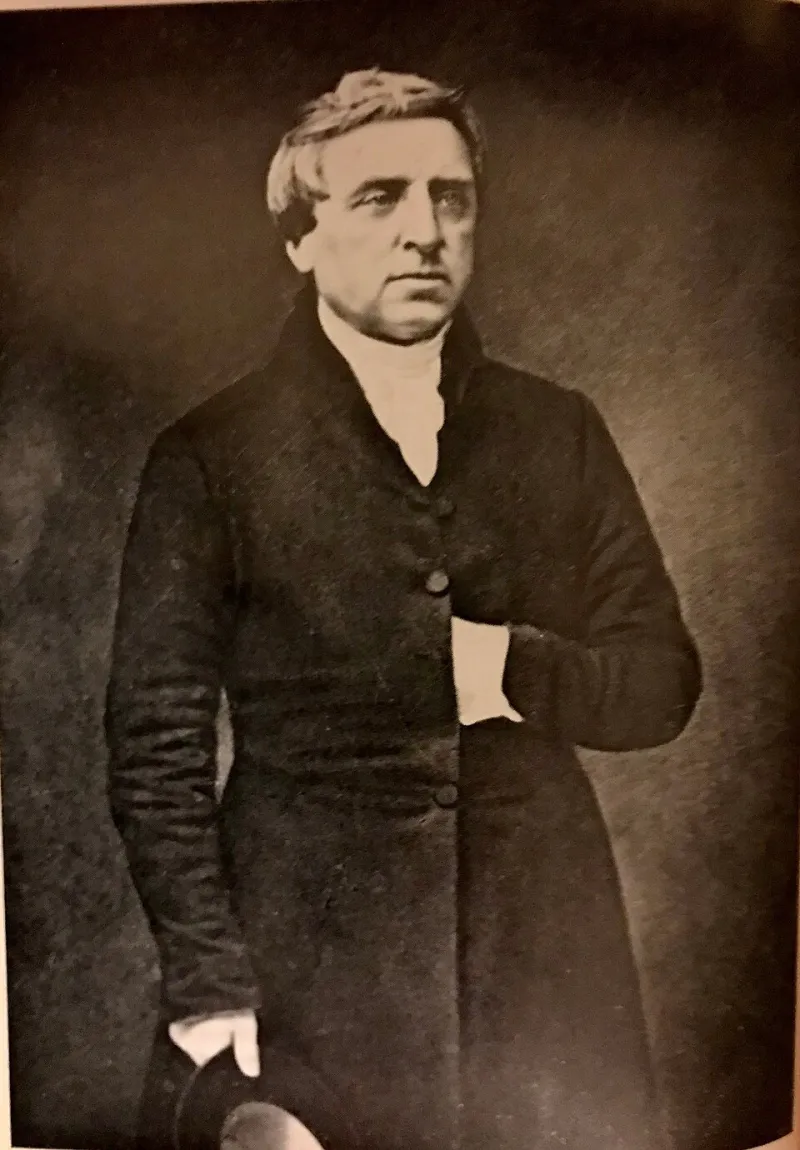
Photo: Mathew Benjamin Brady, Public domain, via Wikimedia Commons
There is a particular pleasure in hearing a balance wheel tick in a workshop a few miles from your own front door. For much of the past century, that pleasure was denied to British enthusiasts. The great houses of the Victorian era — the Frodshams, the Barauds, the Dennisons — had long since fallen silent, and the industry's centre of gravity settled firmly in the Jura mountains.
That story is now being rewritten. British horology, long dismissed as a historical curiosity, is enjoying its most creative and commercially confident period in generations. This is not a nostalgia exercise; it is a genuine renaissance, built on craft, character and a distinctly British refusal to follow the crowd.
The Cotswolds Effect
Drive out of London and into the rolling hills of Gloucestershire, and you will find some of the most compelling independent watchmaking in the world. It is here that Roger W. Smith — the only watchmaker ever to apprentice under the great George Daniels — produces a handful of pieces each year from his workshop on the Isle of Man, each one a masterclass in the Daniels Coaxial escapement, the first practical escapement innovation in over two hundred years.
The Cotswolds themselves have become something of a horological cluster. Robert Loomes, heir to a Lincolnshire clockmaking lineage, has relocated much of his operations to the region, reviving the largely forgotten art of the English lever escapement. His Gnomon and BRCS watches are not pastiche; they are working arguments that Britain's own technical tradition still has life in it.
Meanwhile, Struthers London — Catherine and David Struthers' workshop, now firmly established among the capital's horological elite — has demonstrated that restoration, handcraft and small-series manufacture can thrive on British soil, with commissions that sit comfortably alongside anything from Bienne or Geneva.
Heritage Names, Renewed Ambition
Beyond the independents, the heritage sector is stirring. Bremont, founded by brothers Nick and Giles English, has spent two decades building a genuine manufacturing presence at The Wing in Henley-on-Thames — a facility that assembles, finishes and tests watches with an aviation-inflected character entirely its own. The partnership with Martin-Baker, the ejection-seat manufacturer, gives the brand a provenance story few can match.
In London's historic jewellery quarter connections run deep: Hatton Garden and Clerkenwell remain home to the finishers, casemakers and dial specialists upon whom every British brand relies. The revival is, in truth, a collective one — a supply chain being patiently rebuilt, trade by trade.
What Makes British Design Distinct
Spend time with these watches and a pattern emerges. Where Swiss design often pursues polished restraint, British watchmaking leans into a quieter, more engineering-led aesthetic: visible movement architecture, hand-applied finishes that reward a loupe, and dials that favour legibility over ornament.
There is also a temperament at play. British independents produce in the dozens or low hundreds, not the tens of thousands. Scarcity here is not a marketing device; it is a consequence of handcraft. A Smith watch carries a waiting list measured in years. A Loomes English lever movement cannot be hurried. For collectors weary of waiting-list theatrics at the major houses, this authenticity has obvious appeal.
A Collector's Shortlist
For those considering a homegrown acquisition, a few pieces warrant particular attention:
- Roger W. Smith Series 2 — the purest expression of contemporary English watchmaking; if you can join the list, do.
- Robert Loomes BRCS1 — an English lever escapement in a modern case; horology with a PhD in history.
- Bremont Martin-Baker MBII — a tested, purposeful sports watch with genuine aviation credentials.
- Struthers London bespoke commissions — a route into hand-finishing and personalised watchmaking at the highest level.
- Fears of Bristol — relaunched by Nicholas Bowman-Scargill, a fifth-generation descendant of the founder; elegant, restrained British dress watches at an accessible price point.
The Hour Ahead
No one would claim Britain will soon rival Switzerland in volume, nor should it aspire to. The value of the current moment lies elsewhere: in proving that a national watchmaking tradition can be rebuilt from first principles, on the strength of individual skill and a clear design identity.
For the UK collector, the opportunity is straightforward. These are watches with stories rooted in local soil — made in Manx and Gloucestershire workshops, finished in London, sold by people whose names you can learn. In a market dominated by global sameness, that is a luxury of an entirely different order.