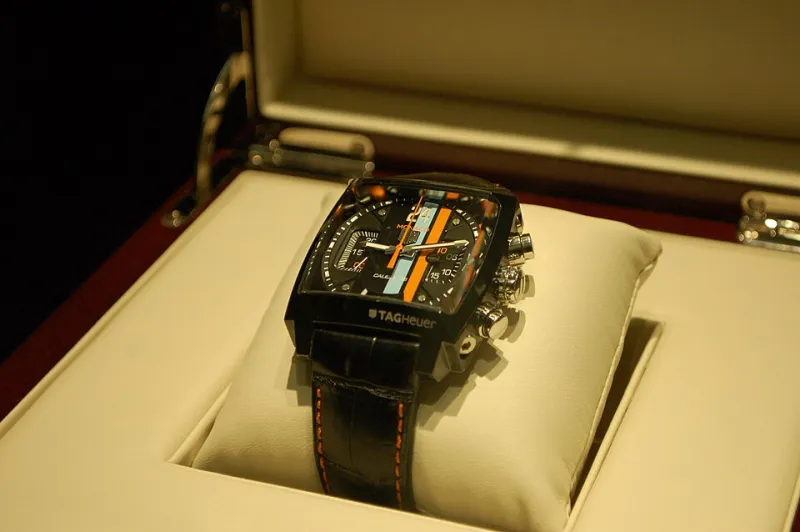
The Occasion Wrist: How Dinner Became Horology's Most Demanding Stage
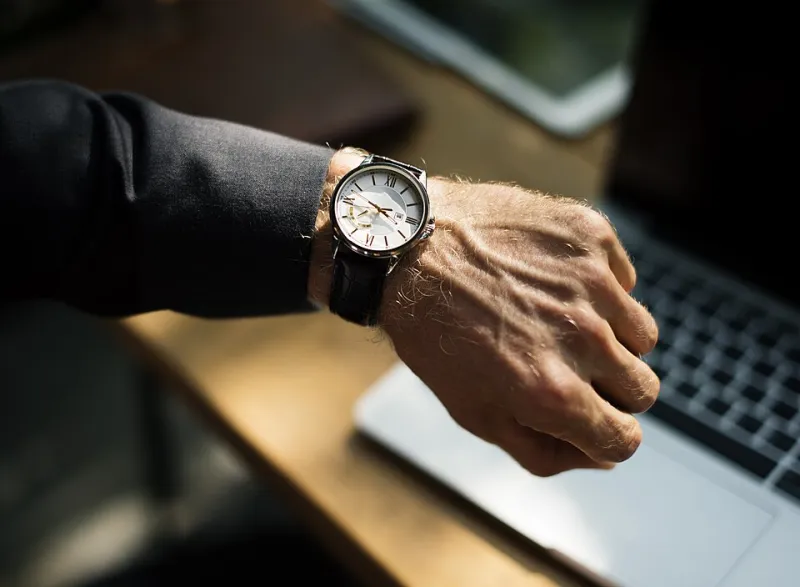
Photo: rawpixel.com rawpixel, CC0, via Wikimedia Commons
There is a moment, midway through the first course at any serious London dinner, when the conversation pauses and the tablecloth does its quiet work. Sleeves retreat. Cuffs lift. And a wrist, deliberately or not, makes its introduction.
For decades, British watch culture was organised around the idea of the everyday piece — the one watch, worn everywhere, loved accordingly. That orthodoxy is under revision. Walk through the cloakroom corridors of Mayfair's private members' clubs or glance along the tables at a City dinner and you will notice something new: collectors arriving with watches chosen not for the day, but for the room.
The Table Reads the Wrist
Few people observe this choreography more closely than those who serve it. A sommelier who has worked the floor of a two-Michelin-starred dining room in Knightsbridge describes it without embarrassment: "You learn to read wrists the way you read voices. The dinner watch is almost always quieter than the owner's weekend one. Someone who wears a loud, diamond-set piece to a serious dinner is usually announcing something. Someone in a modest dress watch — a thin manual-wind, maybe a silvered dial — usually has nothing to prove."
A manager at a St James's private members' club puts it more bluntly. "In the bar at lunch you see the statement watches. At dinner, our long-standing members tend towards restraint. The men who've been coming here thirty years wear small watches. It's the newer money that arrives oversized." The observation is not snobbery so much as pattern recognition: over a long enough table, the wrist settles into its natural register.
Why Dinner Outranks the Weekend
The argument of this piece is simple, if unfashionable: the dinner watch matters more than the weekend watch. Weekends are forgiving. A dive watch worn with a jumper on a coastal walk in Cornwall makes no promises. Dinner, by contrast, is a staged environment — lighting, proximity, posture and the constant small theatre of the table. Every gesture, from pouring wine to signing the bill, exposes the wrist.
The dinner watch must therefore succeed at close range, under low light, beside candle glass and crystal. This favours a particular horological grammar: a case under 38mm, a dial without clutter, leather rather than metal, and a profile slim enough to slide beneath a French cuff without protest. It is no coincidence that the dress watch — declared dead a dozen times this century — has quietly returned to favour among British collectors.
Building an Event Wardrobe for the Wrist
Stylists working with London's financial and creative classes report the same shift. One, who advises clients across the Square Mile, describes the change as a move from "a hierarchy of watches to a wardrobe of watches". Clients no longer ask which piece is best; they ask which piece is correct. Boardroom, black tie, Sunday, school run — each occasion acquires its instrument.
This 'event wardrobe' approach has practical roots. The UK's calendar of occasions — the opera season, Ascot, autumn dinners, the December round of parties — creates a rhythm of dress that the wrist is expected to follow. A collector might wear a robust sports watch from Monday to Thursday and a restrained dress piece on Friday evening without contradiction. The weekend watch, in this schema, becomes the most dispensable of the collection: it serves comfort, not communication.
What Restraint Signals
Across every conversation conducted for this piece, one theme recurred: at the dinner table, restraint reads as confidence. A slim time-only watch in yellow gold, worn by a man of a certain age, communicates nothing except that the wearer stopped needing to communicate some time ago. Conversely, the complication-laden piece — however magnificent in the cabinet — can feel like a monologue at a table built for dialogue.
None of this argues against bold watches. It argues for sequencing. The great pleasure of a mature collection is not any single piece but the ability to choose correctly: the boardroom watch that steadies a difficult meeting, the Sunday watch that asks nothing of anyone, and above all the dinner watch — the piece that says, quietly, across candlelight and conversation, that its wearer understands the room.
Time, as we are fond of saying, is the one luxury that cannot be bought. But it can be served — and at dinner, it is always served on the wrist.